Fly Fishing the Blue River: What to Know Before You Cast
By Andrew & Abby, your hosts at Lodestone Retreat
Fly fishing the Blue River near Breckenridge: where to start, what Gold Medal water means, how the seasons change the fishing, and a home base nearby.
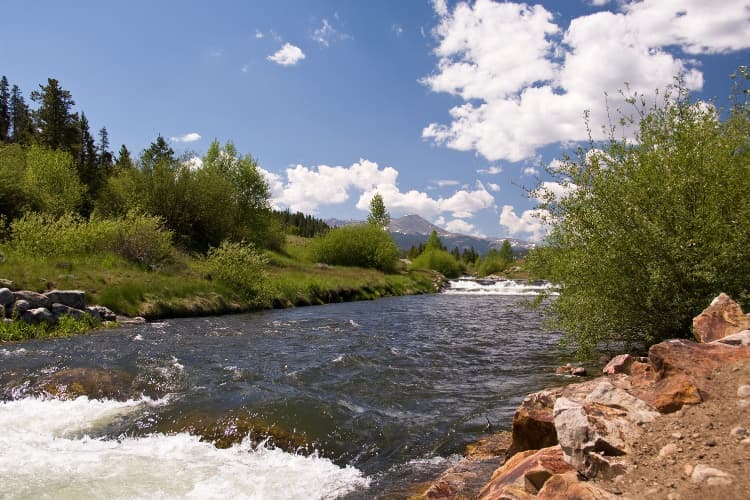
A Mountain River Worth Building a Morning Around
The Blue River is one of the easiest reasons to slow down near Breckenridge. It runs through town, winds along Highway 9, and gives visitors a chance to trade crowded sidewalks for cold water, mountain views, and the kind of focused quiet that makes fly fishing feel less like an activity and more like a reset button.
For guests staying in Blue River, fishing near Breckenridge is refreshingly practical. You can wake up early, check conditions, fish for a few hours, and still be back at Lodestone Retreat before the rest of the group has finished negotiating breakfast. Heroic efficiency, but with trout.
If you are planning to fly fish the Blue River in Colorado, start here: understand the river sections, check current regulations, respect catch-and-release practices where required, and give yourself room for altitude, weather, and changing flows.
First: Know the Blue River Sections
People talk about “the Blue River” as if it is one simple stretch of water. It is not. The river changes character as it moves from the high country near Breckenridge north toward Dillon Reservoir and beyond.
For visitors staying near Breckenridge and Blue River, the most relevant sections are usually:
- Upper Blue River near Breckenridge and Blue River: Smaller, scenic, accessible in places, and close to town and lodging
- Town stretches through Breckenridge: Convenient for quick sessions, especially if part of your group wants shops, coffee, or lunch nearby
- Tailwater sections below Dillon Reservoir: Better known among serious anglers and managed differently than the upper river
The right choice depends on your skill level, timing, flows, and how much of your trip you want to devote to fishing. A beginner might be happier with a guided half-day. An experienced angler may want to research current flows, public access, and regulations before choosing a stretch.
The river rewards preparation. It is also very good at humbling people who assume “small water near town” means “easy.” Trout, famously, have not read your vacation itinerary.
What Gold Medal Water Means
Colorado designates certain fisheries as Gold Medal waters when they meet high standards for trout size and trout biomass. In plain English: these are waters capable of supporting excellent trout populations, and they are managed carefully because of it.
Parts of the Blue River system are known for Gold Medal fishing, especially downstream of Dillon Reservoir. That reputation is one reason anglers search for Blue River trout fishing before a Breckenridge trip. But Gold Medal status does not mean every bend near every pullout fishes the same way, and it definitely does not mean regulations are optional.
Before you cast, check current Colorado Parks and Wildlife rules for the exact section you plan to fish. Regulations can vary by location and may include requirements around artificial flies and lures, bag limits, size limits, or catch-and-release practices.
A good rule for visitors: if you are unsure, fish barbless, handle trout gently, keep them wet, and release them quickly. Better yet, hire a local guide for your first session and learn the river without turning regulation research into a group spreadsheet. Nobody needs that on vacation.
Best Seasons for Fly Fishing Near Breckenridge
Fly fishing near Breckenridge is seasonal in the practical sense, even when the calendar says the river exists year-round. Weather, runoff, water temperature, flows, and access all change the experience.
Spring: Watch the Runoff
Spring can be productive, but it can also be unpredictable. As snow melts, flows may rise and clarity can change quickly. Some days are fishable and beautiful. Other days the river looks like it has been assigned a demolition project.
If you are visiting in April, May, or early June, check current flows and talk to a local fly shop before making fishing the centerpiece of the trip. Spring is a good time to stay flexible and have backup activities from our things to do near Breckenridge guide.
Summer: Prime Time, With Afternoon Weather
Summer is the easiest season for most visitors. Days are longer, access is simpler, and a morning on the river pairs well with hiking, biking, rafting, or Main Street later in the day.
That said, mountain weather does not care about your reservation. Afternoon thunderstorms are common in summer, especially at elevation. Plan to fish early, bring layers, and get off exposed areas when storms build. Lightning is not a vibe.
Summer is also when visitor pressure can increase. Be respectful at access points, give other anglers room, and avoid crowding someone who is already working a run.
Fall: Clear Air and Quieter Days
Fall can be excellent around Blue River and Breckenridge. Cooler temperatures, golden aspens, and thinner crowds make it one of the most enjoyable times to be outside. Water conditions vary, but the overall pace of the area tends to feel calmer after peak summer.
Bring warmer layers than you think you need. A sunny afternoon can feel perfect; a shaded riverbank in the morning can feel like winter is clearing its throat.
Winter: Possible, But Not Casual
Winter fly fishing is possible in parts of the Blue River system, especially where water remains open, but it is not the same as a relaxed summer outing. Expect cold hands, ice, snow, limited access, and more technical conditions.
For most vacation groups, winter fishing works best as a guided or highly researched add-on rather than a casual “let’s see what happens” plan. If your main trip is skiing, the hot tub may win the afternoon anyway. This is allowed. Encouraged, even.
Should You Hire a Guide?
If you are new to fly fishing, new to Colorado, or traveling with a mixed-experience group, a guide is often the best money you spend. Local guides can help with access, current hatches, safe wading, seasonal flows, regulations, and realistic expectations.
A guided trip is especially useful if:
- You do not want to pack rods, waders, boots, and nets
- You are teaching kids or first-time anglers
- You only have one morning and want it to count
- You are unsure which water is public and fishable
- You want help reading the river at high altitude
Breckenridge and Summit County have established fly shops and guide services; check current offerings, licensing, meeting locations, and included gear before booking. Because details change by season, it is better to verify directly than trust an old blog post that confidently lies to you from 2019.
What to Pack for Blue River Trout Fishing
Even a short fishing session near Breckenridge deserves mountain-level preparation. Conditions change quickly, and cold water plus high elevation can turn small mistakes into an annoying day.
Bring:
- Valid Colorado fishing license
- Current regulation information for the exact section you plan to fish
- Polarized sunglasses
- Hat and sunscreen
- Layers, including a rain shell
- Waders and boots if conditions call for them
- Forceps or hemostats for quick hook removal
- Landing net suitable for trout
- Water bottle and snacks
- Offline map or saved access notes
- Dry bag or waterproof pouch for phone and keys
At Lodestone Retreat, the full laundry room, mudroom-style entry space, and multiple living areas make gear-heavy days easier. You can dry layers, cook breakfast before an early start, and come back without turning the whole house into a fly shop explosion. Mostly.
Access, Etiquette, and Regulations
The most important part of fishing near Breckenridge is knowing where you are allowed to be. Public access, private property, town rules, seasonal closures, and river-specific regulations can vary. Do not assume that a visible stretch of water is open to fish just because you can see it from the road.
Before heading out:
- Confirm public access points
- Check Colorado Parks and Wildlife regulations
- Respect private property and posted signs
- Give other anglers plenty of space
- Pack out all trash and clipped line
- Use barbless hooks when appropriate or required
- Keep fish wet and minimize handling if releasing
If you are fishing catch-and-release water, treat that as more than a technical rule. Land fish efficiently, avoid dragging them onto rocks or snow, keep them in the water while removing the hook, and let them recover before release.
Good etiquette keeps the river better for everyone. Bad etiquette gets remembered, and not in the charming “family vacation story” way.
A Simple Fishing Day from Blue River
One reason Blue River works well for anglers is that you do not have to make fishing the whole trip. It can be the quiet morning chapter before the group day begins.
A simple plan might look like this:
Early Morning: Coffee, Conditions, and Gear
Start at the house, check weather and flows, confirm your access plan, and get on the water early. Summer mornings are usually calmer and less storm-prone than afternoons.
Midday: Regroup at the House
Come back to Blue River for lunch, showers, and a gear reset. This is where staying in a full home beats squeezing wet boots and rods into a hotel room corner like a cursed sculpture.
Afternoon: Split the Group
Some people can head into Breckenridge, others can hike, bike, nap, read, or use the hot tub. If you need ideas beyond fishing, start with our things-to-do guide.
Evening: Dinner and Hot Tub
Cook at the house, grill when the weather cooperates, or head into town for dinner. End with the hot tub, because after standing in cold water at 10,000 feet, you have earned basic civilization.
Why Blue River Makes Sense for an Angling Trip
Blue River gives fishing groups the balance most mountain trips need: close access to Breckenridge, a quieter setting south of town, and enough space at the house for people who are not all doing the same thing at the same time.
That matters because most groups are mixed. One person wants to fish at sunrise. Someone else wants a slow morning. Kids want games. Another adult wants to hike. Someone claims they are “just going to check email for a minute,” which is how you know they need a vacation more than anyone.
Lodestone Retreat works well for that kind of trip. The house has four bedrooms, multiple living spaces, a full kitchen, laundry, outdoor areas, and a private hot tub. You can fish the Blue River, explore Breckenridge, and still come back to a quiet mountain home instead of staying in the middle of the crowd.
Plan Your Blue River Fishing Getaway
Fly fishing the Blue River can be as simple as a guided half-day or as involved as building your whole itinerary around trout water. Either way, the best trips start with realistic expectations: check regulations, match the season, respect access, and leave room for weather.
For more local planning, explore our guide to Blue River, browse things to do near Breckenridge, or see why Lodestone Retreat makes a comfortable base for groups, couples, and families.
Related Guides
- The Best Summer Hikes Within 30 Minutes of Blue River, ColoradoSix hikes for every skill level near Blue River and Breckenridge — from easy family walks along the river to alpine lake adventures above treeline.
- Mountain Biking Near Breckenridge: Trails for Every Skill LevelPlanning a summer biking trip near Breckenridge? Trail ideas, bike park notes, rental tips, and group-friendly advice for riders staying in Blue River.
- Fall in Blue River: Why September and October Are the Best-Kept SecretPlan a Breckenridge fall vacation from Blue River: foliage timing, scenic drives, hiking, shoulder-season weather, and quieter mountain days.
Plan Your Blue River Getaway
Book your stay at Lodestone Retreat — a spacious 4-bedroom mountain home just 2 miles from Breckenridge.